
"No.1 Ecuador coffee"
300 article(s) found

Fragrant coffee flavor description of Hassanda Coffee Garden in Ecuador
The coffee beans produced in Ecuador's Galapagos Islands are organic coffee beans, thanks to the unique ecological environment such as volcanic soil and microclimate, coupled with the fact that they do not use any chemical fertilizers or pesticides, they are recognized as natural green boutique coffee. this naturally grown coffee has a mild taste with a hint of flowers and fruit and caramel. It is understood that the Galapagos Islands are far from Eritrea.

Flavor description of Hasunda Coffee Garden in Ecuador the characteristics of grindness varieties and prices in producing areas
Port Guayaquil is the largest seaport in Ecuador. It faces the Pacific Ocean and backs against Mount Santa Ana. The nearby island of Pune serves as a natural barrier to protect the harbour from storms. There is a wharf in the south, which is more than 900 meters long. Ships from different parts of the world flying various flags are moored in the harbor. The port railway leads to the capital Quito, and highways connect Quito with other cities in the country.

The taste is clear and lingering. Santa Cruz Manor Coffee Flavor Taste Variety Introduction
The Andes Mountains, after entering Ecuador from Colombia, are divided into the Cordillera Mountains in the east and west. Between the two mountains is a plateau high in the north and low in the south, with an average altitude of 2500 meters to 3000 meters. The Andes run through the middle of the border. Ridges crisscross the plateau, dividing it into more than a dozen intermountain basins. The most important are the Quito basin and the Cuenca basin in the south. There are many volcanoes in the territory and frequent earthquakes.

Flavor description of Ecuadorian Coffee Grinding scale Variety introduction of regional treatment method for taste production
The national emblem of Ecuador was launched in 1900, which is similar to the national emblem of Colombia. A ferocious American condor vulture spreads its wings above the national emblem. It is the national bird of Ecuador, symbolizing sovereignty and independence. The design of Ecuador's national emblem is unique, which fully shows the amorous feelings of the country: Mount Chimborazo, Ecuador's highest peak, is covered with snow and stands towering against the blue sky.

Introduction to the unique flavor and taste of coffee from Chateau San Pedro, Ecuador
The best Ecuadorian coffee is grown on St. Cristobal Island in the Galapagos Islands, which has the unique natural geographical conditions for giving birth to the best quality coffee in the world. A cup of Galapagos coffee, like the beautiful scenery of the Galapagos Islands, is sure to impress you. In the mid-15th century, fishermen fishing in the western Pacific Ocean of South America were in the middle stream.

Ecuadorian Coffee with Special aroma Manor introduces Galapagos Coffee
The Republic of Ecuador is located in northwestern South America. It is bordered by Colombia in the northeast, Peru in the southeast and the Pacific Ocean in the west. It covers an area of 256370 square kilometers and the coastline is about 930km long. The equator runs through the north of the border, and Ecuador means the central mountain of the Spanish equator: after Colombia entered Ecuador, the Andes is divided into the East and West Cordillera Mountains.

Introduction to the characteristics of coffee flavor and taste manor of Santa Cruz Manor in Ecuador
Port Guayaquil is the largest seaport in Ecuador. It faces the Pacific Ocean and backs against Mount Santa Ana. The nearby island of Pune serves as a natural barrier to protect the harbour from storms. There is a wharf in the south, which is more than 900 meters long. Ships from different parts of the world flying various flags are moored in the harbor. The port railway leads to the capital Quito, and highways connect Quito with other cities in the country.

Ecuadorian coffee
Coffee origin: the Ecuadorian Arabian Coffee Tree was first introduced to Ecuador (Ecuador) in 1952 and its coffee quality is very good, especially the coffee harvested in early June. Ecuadorian coffee beans can be divided into two varieties: Galapagos and Gigante, both of which have the characteristics of large granules and heavy weight. Ecuadorian coffee can be divided into first class (No.1) and special coffee according to quality.

Introduction to the taste of boutique coffee bean manor in Ecuador coffee producing area with unique fragrance
In 1535, Flatoma de Belanga and others of Spain stumbled upon the Galapagos Islands. Thomas was born in 1487 on the Duro River in the province of Soria, Spain. He was the fourth bishop of Panama at that time. He was ordered to go to Peru. When his ship set sail from Panama on February 23, under the impact of a strong current, they were taken to the unknown surface of the ocean.

Introduction to the taste of the manor produced by the regional treatment method of coffee bean grinding scale in Ecuador
The best Ecuadorian coffee is grown on St. Cristobal Island in the Galapagos Islands, which has the unique natural geographical conditions for giving birth to the best quality coffee in the world. A cup of Galapagos coffee, like the beautiful scenery of the Galapagos Islands, is sure to impress you. In the mid-15th century, fishermen fishing in the western Pacific Ocean of South America were in the middle stream.

A brief introduction to the treatment method of grinding degree and baking degree of Ecuadorian boutique coffee beans with fresh taste
However, as the land suitable for Arabica coffee trees is decreasing, the production of Robbins coffee is gradually increasing. The best Arabica coffee comes from the Andes, especially the ChanchamgoValley, which is divided into two mountains, extending from south to north to central Ecuador. When it comes to Ecuadorian coffee, Ecuador Gallas has to be mentioned.

Introduction to the Fine Coffee Bean Manor with the characteristics of Ecuadorian Coffee Variety producing area
Port Guayaquil is the largest seaport in Ecuador. It faces the Pacific Ocean and backs against Mount Santa Ana. The nearby island of Pune serves as a natural barrier to protect the harbour from storms. There is a wharf in the south, which is more than 900 meters long. Ships from different parts of the world flying various flags are moored in the harbor. The port railway leads to the capital Quito, and highways connect Quito with other cities in the country.

How are Ecuadorian coffee beans? Ecuadorian coffee beans have light aromas of flowers, fruit and caramel.
Professional coffee knowledge exchange more coffee bean information please follow the coffee workshop (Wechat official account cafe_style) front street-Ecuador Coffee introduction most countries in the world are rich in only one kind of coffee beans, but Ecuador is one of the few countries in the world that can produce both Arabica coffee beans and Robusta coffee beans. Organic beans, flowers and fruits, caramel

Ecuador coffee varieties of carapica coffee beans introduction
As coffee is consumed around the world, the world coffee industry moves toward mass production, and San Cristobal's smaller and less reliable coffee industry is in trouble and may eventually be forced to give up without profit. It wasn't until the early 1990s that the Gonzalez family bought Hassenda Coffee Plantation. Humboldt Current

Is Ecuador the highest Arabian coffee plantation in the world?
Ecuador is the highest Arabian coffee plantation in the world. Since the coffee tree was first introduced into Ecuador in 1875, the quality of its coffee has remained unchanged for 100 years, especially the coffee harvested in early June every year, which is known as the best coffee in the world. Ecuadorian coffee beans are divided into Galapagos and Segante, both of which have large granules and large quantities.
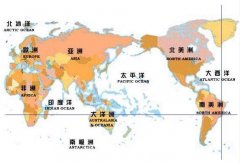
Ecuadorian coffee may be the highest coffee grower in the world.
Probably the highest Arabica coffee grower in the world. The Arabian Coffee Tree was first introduced to Ecuador (Ecuador) in 1952 and its coffee is of good quality, especially the coffee harvested in early June. Ecuadorian coffee beans can be divided into two varieties: Galapagos and Gigante, both of which have the characteristics of large granules and heavy weight. Ecuadorian coffee can be made according to quality.

Guarvado coffee beans in America have a balanced and refreshing taste with a unique aroma.
Ecuador may be the highest coffee grower in the world. The Arabian Coffee Tree was first introduced to Ecuador (Ecuador) in 1952 and its coffee is of good quality, especially the coffee harvested in early June. Ecuadorian coffee beans can be divided into two varieties: Galapagos and Gigante, both of which have the characteristics of large granules and heavy weight. Ecuadorian coffee

Introduction to Galapagos Coffee with unique aroma of Ecuadorian Coffee Manor
West coast: including coastal plains and foothills, high in the east and low in the west, generally below 200 meters above sea level, with some hills and low mountains at an altitude of 600 to 700 meters. Belongs to the tropical rain forest climate, the southernmost end begins to transition to the savanna climate. The average annual precipitation decreases from more than 3000 mm to about 500mm from north to south. Central Mountains: the Andes enter Ecuador from Colombia

Ecuadorian coffee flavor Ecuadorian coffee characteristics Ecuadorian coffee taste
The Arabian Coffee Tree was first introduced to Ecuador in 1952 and its coffee is of good quality, especially the coffee harvested in early June. Ecuadorian coffee beans can be divided into two varieties: Galapagos and Gigante, both of which have the characteristics of large granules and heavy weight. Ecuadorian coffee can be divided into first class (No.1) and super excellent (Extra Superior) according to its quality.

Characteristics of Ecuadorian coffee beans Ecuadorian coffee manor
The Arabian Coffee Tree was first introduced to Ecuador in 1952 and its coffee is of good quality, especially the coffee harvested in early June. Ecuadorian coffee beans can be divided into two varieties: Galapagos and Gigante, both of which have the characteristics of large granules and heavy weight. Ecuadorian coffee can be divided into first class (No.1) and super excellent (Extra Superior) according to its quality.